Best Time for a South African Safari Honeymoon (Month-by-Month Guide)
If you’re planning a safari honeymoon in South Africa, one of the first questions you’ll probably ask is: when is the best time to go?
However, there isn’t just one answer!
Unlike some destinations that have a clear “perfect season,” South Africa is a year-round safari destination. But – the timing of your safari will change how it feels.
Some months are better for wildlife. Others can be quieter and more romantic. There are times that offer better value, and some that are best for combining with other destinations.
What often surprises people is how much the experience can change depending on where you go within South Africa – not just the time of year.
As a travel agent, this is something I spend a lot of time helping honeymooners figure out!
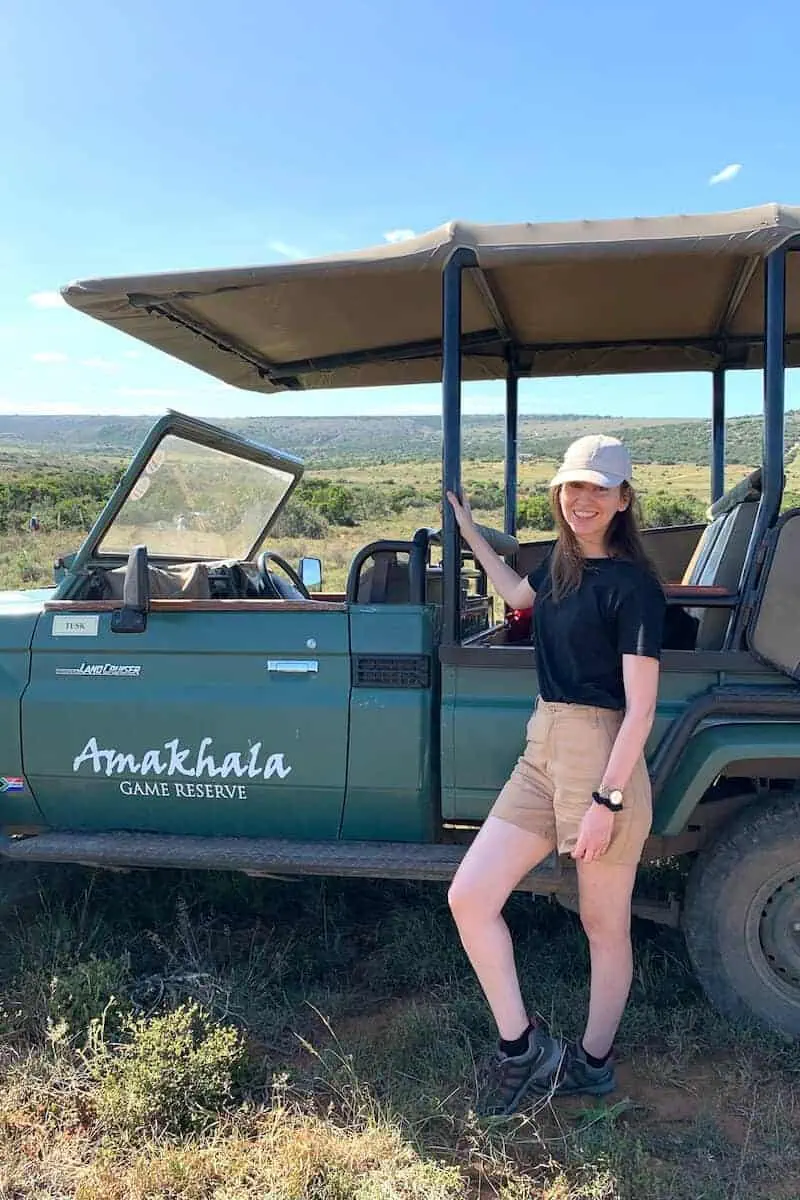
So, having personally visited South Africa and helped countless couples plan their dream trip, I’m here to guide you. This post breaks it all down so you can choose the season that matches your priorities.
When is the best overall time to go on safari in South Africa?
South Africa is a year-round honeymoon destination – but the “best” time depends on how you’re structuring your trip, and which part of the country plays the biggest role in your itinerary.
However, if you want a quick answer before we go into detail, generally, the below applies:
- Best for classic safari conditions (especially around Greater Kruger): May – September (dry season)
- Best for lush scenery & a quieter romantic feel: November – March (green season)
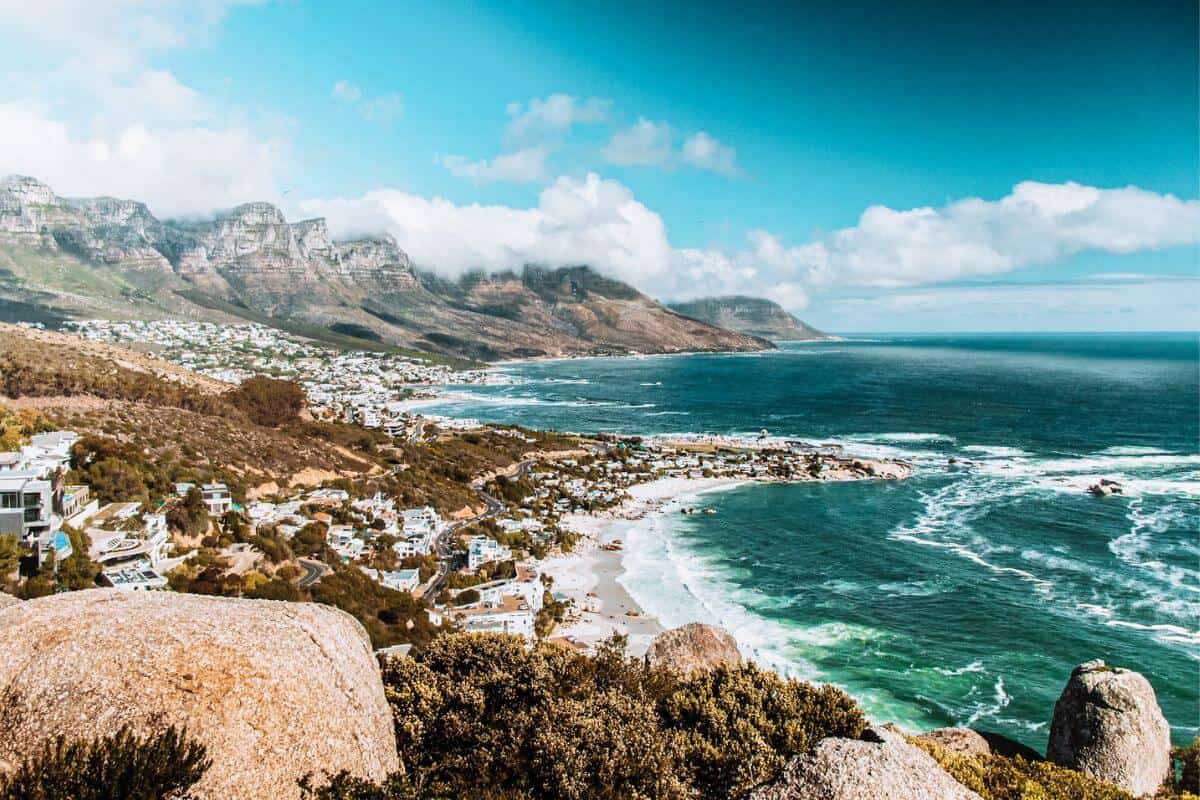
- Best for combining a safari with the Western Cape, Cape Town & the Garden Route: October – April
- Best overall balance (weather, value, fewer crowds): April, May, September
If you’re planning a multi-stop South Africa honeymoon and you’re keen on Kruger, I suggest looking at the shoulder months first. Especially for couples combining a safari with the coast or winelands, this tends to be where everything works best across regions.
It’s also worth knowing that in peak season, the most in-demand lodges can book out a long way in advance. So timing doesn’t just affect price, but which properties you’ll realistically be able to stay in.
👉 April or September tend to be great months with good safari conditions and generally better weather across the whole country.
When planning, you need to consider how the safari element works within your entire itinerary. How everything fits together matters just as much as where you go and the biggest challenge is usually getting everything to line up.
This is something I always explain to couples because the safari is just one part of the trip and you want timings that work for everything!
Understanding South Africa’s safari seasons

Dry season (May – September)
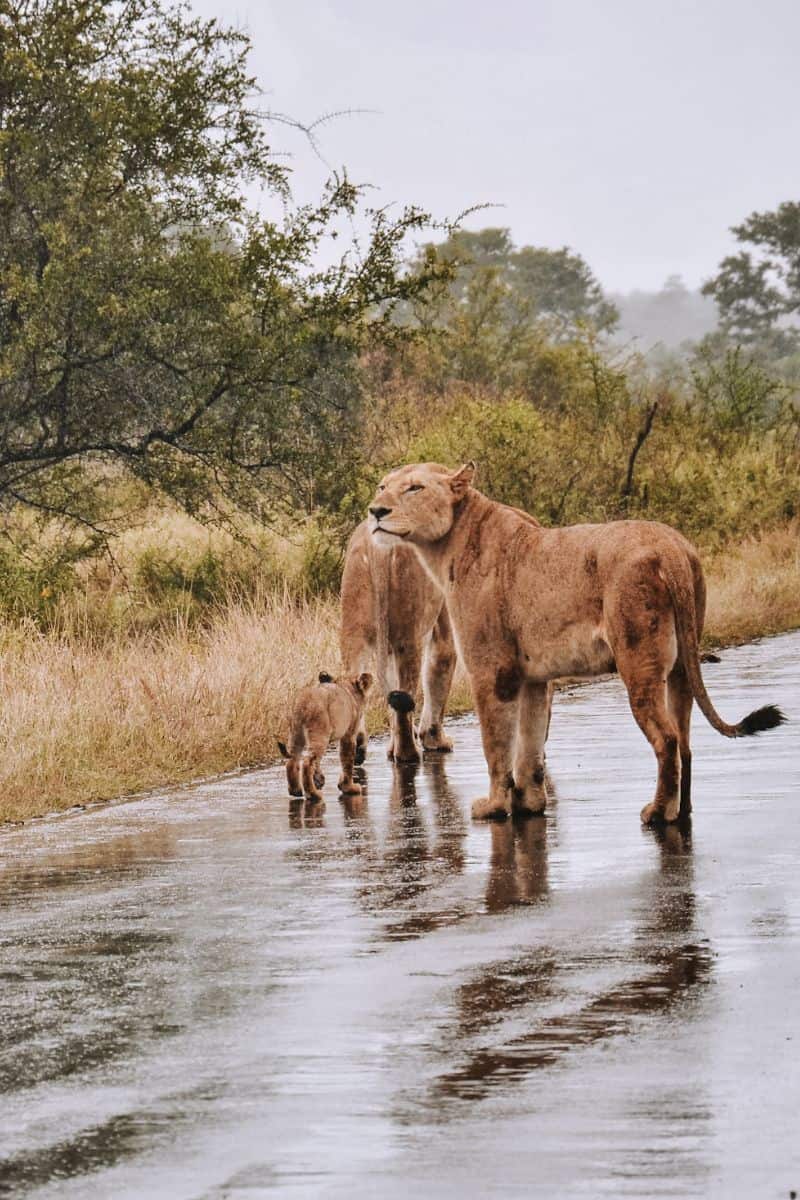
The dry season is what most people picture when they think of a safari – especially when you’re thinking of a safari in the Kruger Region.
- Vegetation is sparse which means animals are easier to spot
- Wildlife gathers around waterholes so there’s higher chance of Big Five sightings
- Temperatures are cooler + more bearable
This is considered peak safari season – but because of that you’ll find higher prices and more demand.
In private reserves, this can also mean slightly busier sightings compared to quieter months – although the overall experience is still far more exclusive than a self-drive safari in a national park.
Green season (November – March)
Most couples rule out the green season, but it can be a lovely time to travel. Because it’s not the peak time to visit, it can feel quieter and more romantic.
- Lush green landscapes
- Baby animal sightings (especially Jan–Feb)
- Short afternoon rains + warmer weather (not all-day washouts)
Before choosing the green / low season, it also depends on where you’re going on safari in South Africa. For example, Kruger has a much higher malaria risk during the wetter months. However, Eastern Cape reserves can be brilliant.
This is also when many lodges feel at their most relaxed. You’ll find fewer guests, a slower pace and more flexibility around activities, which can make the overall experience feel more private and personal.
South Africa safari: Month-by-month
South Africa is a country that feels different to other safari destinations – especially when you start comparing things like seasonality and overall experience.
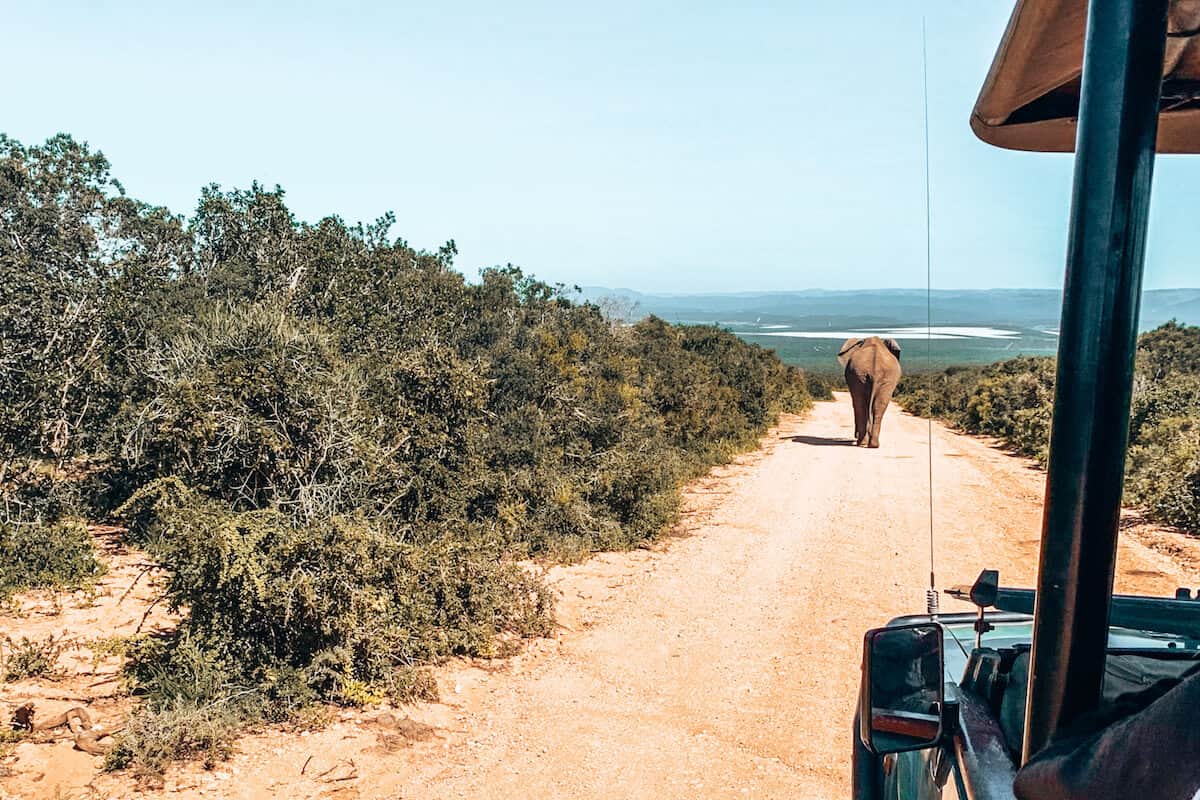
The classic dry vs green season pattern applies strongly to areas around Kruger National Park. But if you’re heading to the Eastern Cape (which a lot of honeymooners do, especially as part of the Garden Route), the seasons are much less extreme.
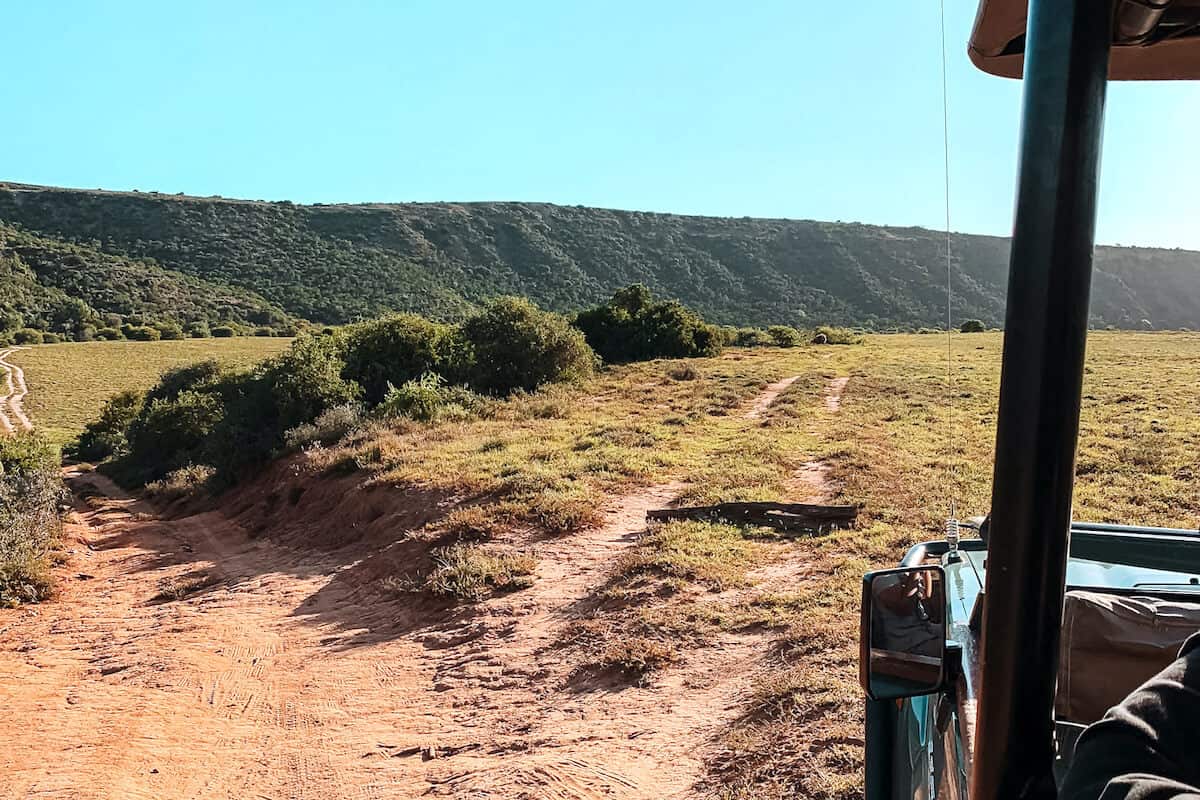
In fact, you can absolutely have dry, beautiful weather in January, which is what I had– even though it’s technically the “green season.”
You’ll find that a lot of South Africa safari advice online is based on just one region, rather than how a full itinerary actually works.
It’s a lot more helpful to think about how each time of year generally feels across a typical honeymoon itinerary – especially when you start mapping out how different stops fit together.
January – March
This is often described as the “green season” – but it depends where you are.
- In Kruger: hot, humid, greener, with occasional storms
- In the Eastern Cape: often dry and hot, but pleasant
If you’re planning an Eastern Cape-based honeymoon, this is one of the easiest times to travel – especially if you’re combining a safari with Cape Town and the coast.
- Landscapes are at their most vibrant in many areas
- Baby animals start appearing!
- Wildlife is excellent in well-managed reserves
April – May
April and May are often described as the shoulder season for a South African safari. This is particularly true in regions like Kruger where conditions are transitioning into the dry season.
For honeymoon itineraries that combine a safari with Cape Town or the Garden Route, it’s a good choice. You’ll get brilliant wildlife, fewer crowds and more availability at top lodges.
It’s one of the few times of year where you won’t feel like you’re compromising between safari conditions and the rest of your trip.
It’s also a great time for the overall lodge experience as staff tend to have more time and the pace feels less structured, which can make a big difference on a honeymoon!
- The intense summer heat starts to fade
- Vegetation begins to thin (especially inland)
- Conditions become more consistent across regions

June – August
This is peak safari season in the traditional sense – but again, it depends where you are.
- In Kruger: dry, sparse bush, excellent wildlife visibility
- In the Eastern Cape: cooler, but still very good for game viewing
Across both regions:
- Wildlife sightings are generally at their most reliable
- Early mornings can be very cold (this caught me off guard when I went!)
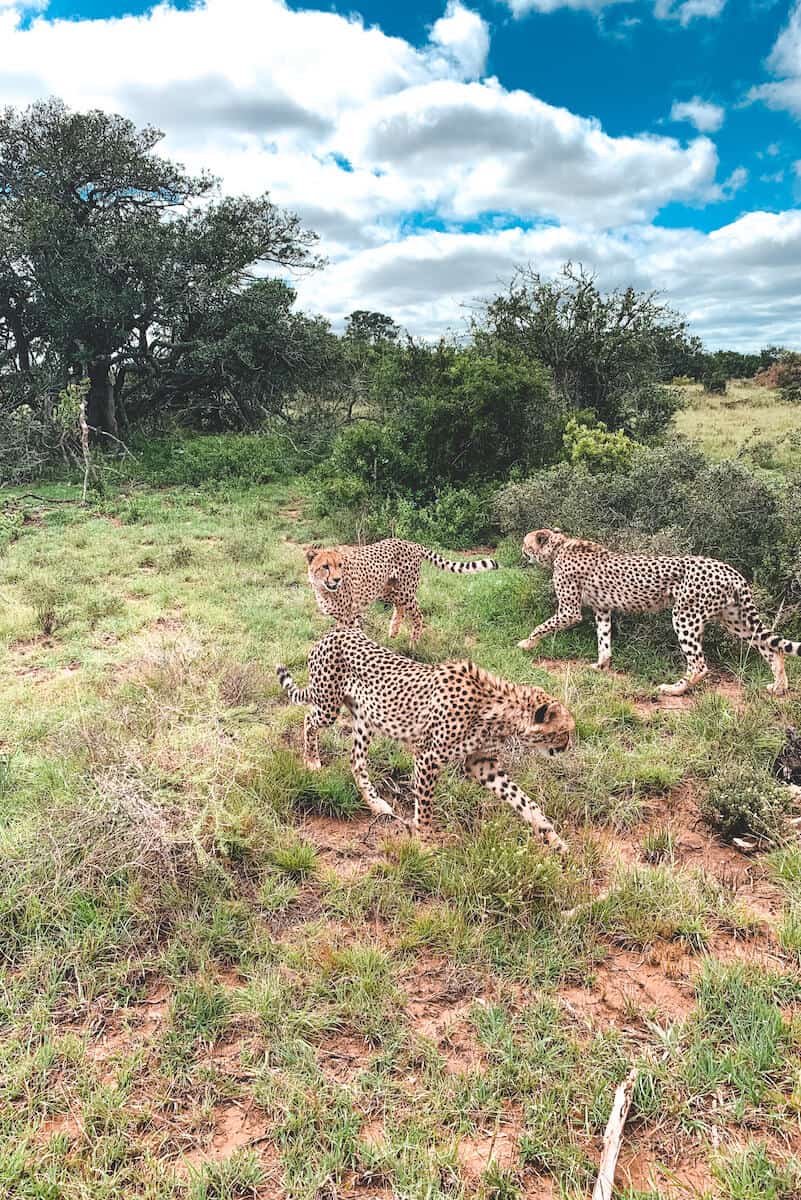
If your priority is seeing as much wildlife as possible, this is when a safari is at its most consistent. That said, I went to the Eastern Cape in January and spotted all the Big Five then.
With wildlife, nothing is a guarantee! However, if this is your first safari together, it is usually the most straightforward and reassuring time to travel.
The flip side is that availability can become much tighter in these months – so this is one of the times where booking well in advance really matters.
September – October
These months sit in an in-between space that works really well for honeymoons – especially if you’re planning a multi-stop trip.
September is often grouped into the shoulder season, but it’s a bit more of a transition month that leans toward peak safari conditions – especially in places like Kruger National Park.
- The bush is still dry so you have excellent wildlife visibility
- Temperatures start to warm up again
- Crowds are slightly lower than the peak winter months
For honeymoon itineraries that combine a safari with Cape Town or the Garden Route, this is one of the easiest times to make it all work. You’ll get strong safari conditions alongside improving weather elsewhere in the country.
November – December
This is when the seasons begin to shift again. In areas around Kruger National Park, the first rains start to arrive and the landscape gradually greens up.
However, further south, particularly in the Eastern Cape, conditions often remain dry, warm and very travel-friendly.
If you’re less focused on peak wildlife and more on overall atmosphere, this is a lovely time to travel.
- Landscapes become more vibrant and photogenic
- Wildlife is still very good – especially in well-managed private game reserves
- The overall pace feels slightly more relaxed
December also brings a subtle shift in atmosphere, with a festive energy building towards the end of the month in places like Cape Town.
Best time for a South Africa safari based on your honeymoon style
Rather than focusing purely on seasons, I always suggest starting with the kind of honeymoon you actually want.
For the best wildlife sightings
If your priority is seeing as much wildlife as possible – especially on a first safari – I’d focus on the dry season as it will be your strongest choice.
- Best time: May – September
- Where this matters most: Kruger National Park and surrounding private reserves
During these months, vegetation is sparse and animals are more concentrated around water sources, which makes sightings a lot more predictable.
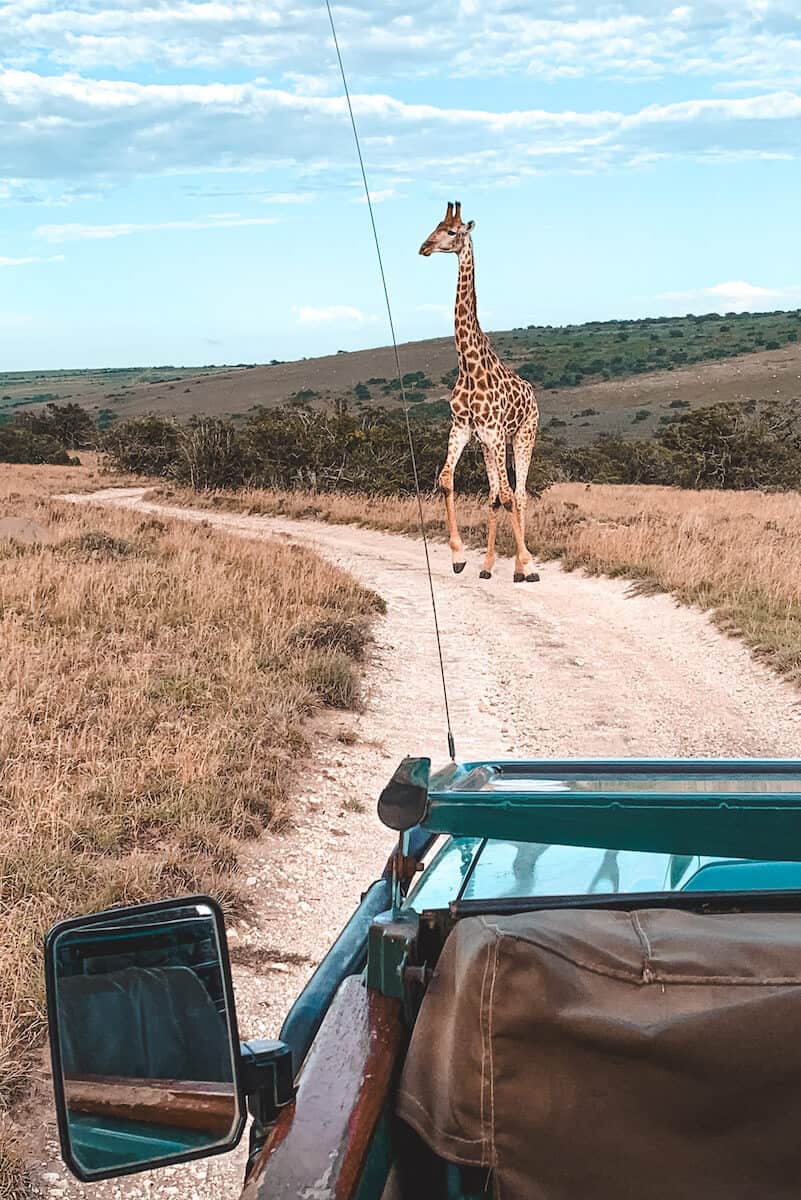
That said, it’s worth remembering that South Africa is home to exceptional private reserves in the Eastern Cape, so even outside peak months, wildlife can still be amazing.
For a well-balanced honeymoon
If you want a bit of everything – good wildlife, comfortable weather, fewer crowds and a smoother overall experience – then the shoulder periods are hard to beat. If you’re not sure where to start, this is usually the direction I guide couples in!
- Best time: April, May, September
These months also work well if you’re travelling across multiple regions, rather than focusing on just the safari.
- Wildlife is still good
- Temperatures are more moderate
- Lodges can feel quieter and more exclusive
- Availability is generally better
For a scenic, relaxed honeymoon
If your vision of a honeymoon leans more towards beautiful settings and quieter days, then the greener months can be a lovely fit.
- Best time: November – March
- Especially good for: Eastern Cape + coastal itineraries
During this time, landscapes can be more vibrant and the overall pace can feel more relaxed.
Wildlife is still great – particularly in private reserves – but the experience becomes less about ticking off sightings and more about immersing yourself in the setting.
For combining a safari with Cape Town & the Garden Route
For most honeymooners, a safari is only part of the trip, which is why it’s so important to think about your itinerary as a whole.
- Best time: October – April
If you’re planning a classic South Africa honeymoon – Eastern Cape safari, Cape Town, and the Garden Route – this is the timeframe I’d build around. This window generally offers the best overall weather across the country, particularly for:
- Cape Town
- The Garden Route
- Coastal areas
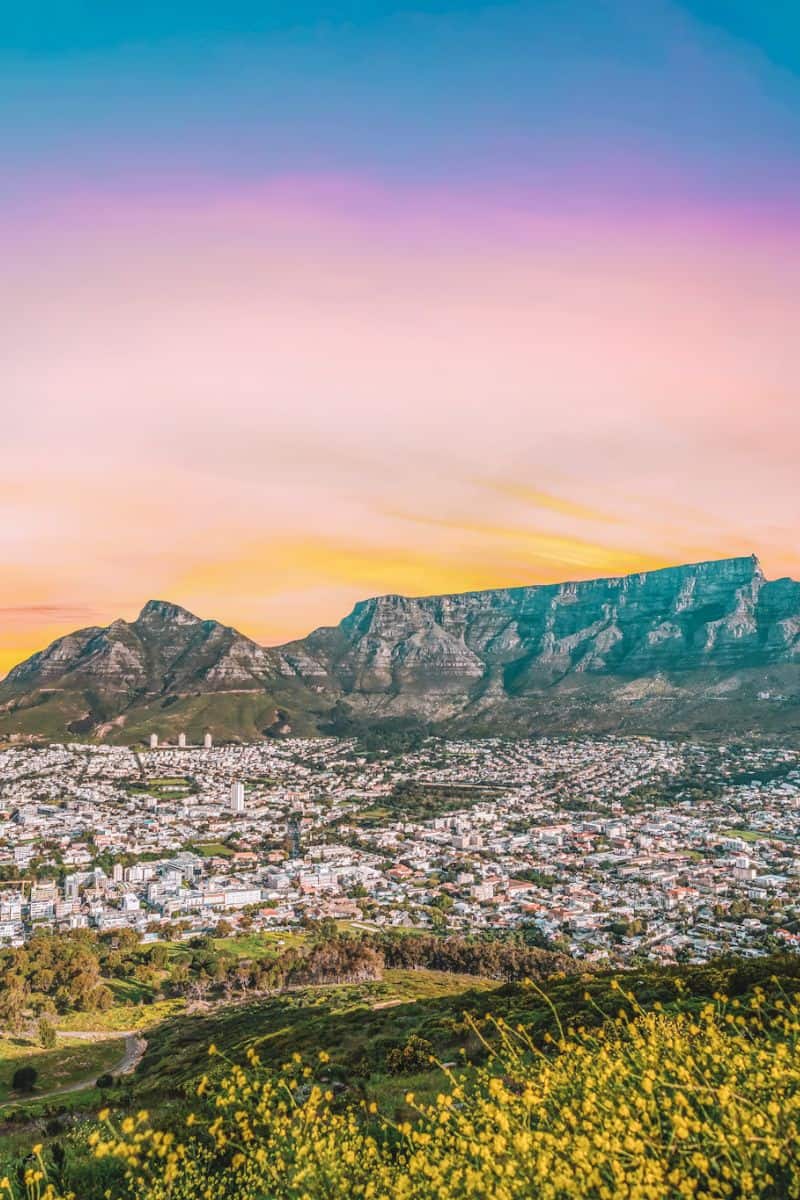
For most couples, this is the version of South Africa that makes the most sense for a honeymoon. Safari conditions are still very good in the Eastern Cape, but you also get the added benefit of longer, warm days for exploring, wine tasting and time by the coast 😍
How timing affects price
Seasonality in South Africa isn’t just about weather. It can also have a significant impact on cost, particularly at the luxury end of the market.
Even though most couples focus on price first, what actually matters more is what that price gives you at different times of year.
Peak safari season (June – October):
This is when prices are at their highest, especially in sought-after lodges and private reserves. It’s also when availability becomes more limited. You’ll need to book well in advance to secure the properties you really want.
Shoulder months (April – May, September):
This is often when you’ll get the best value for luxury, with a good balance between price, availability and experience. You’re still getting excellent safari conditions, but with more flexibility when it comes to lodge choice – and a better chance of securing your preferred room type.
In some cases, travelling just outside the peak season can mean staying in a significantly higher-end lodge for the same overall budget!
Summer / green season (November – March):
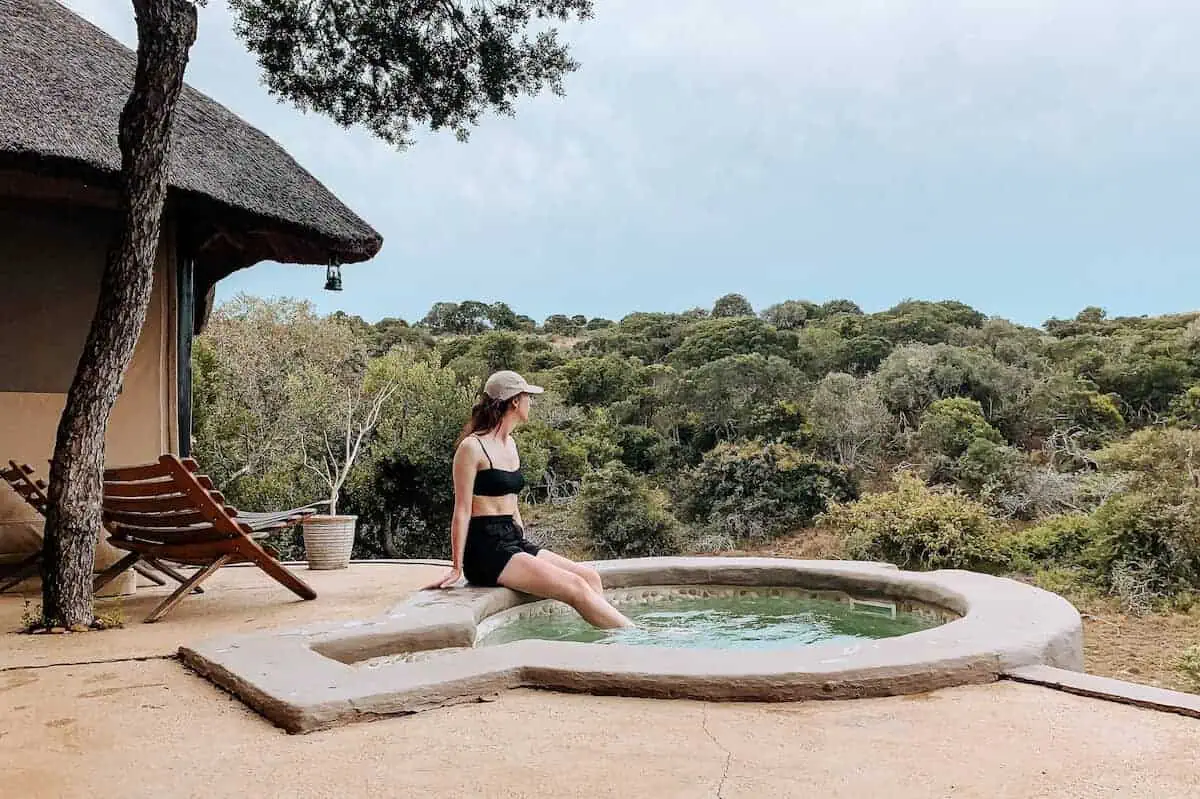
This is when you’re more likely to see greater flexibility with availability, which can sometimes translate into better room categories, upgrades or added extras. This is also when regions like the Eastern Cape offer particularly good value, as they’re less affected by traditional safari seasonality.
A quick note on regions
As I’ve already mentioned, not all safari regions in South Africa behave the same way. It’s one of the biggest things people underestimate when they first start planning.
It can also make the decision feel more complicated at first – because you’re not just choosing when to go, but where as well!
Kruger & Private Reserves (e.g. Sabi Sands)
This is the area that most people picture when they think of a South Africa safari.
- Strong seasonality
- Dry vs green season makes a noticeable difference
- Best wildlife visibility is typically in the dry months
Private reserves like Sabi Sands are particularly popular for honeymoons because:
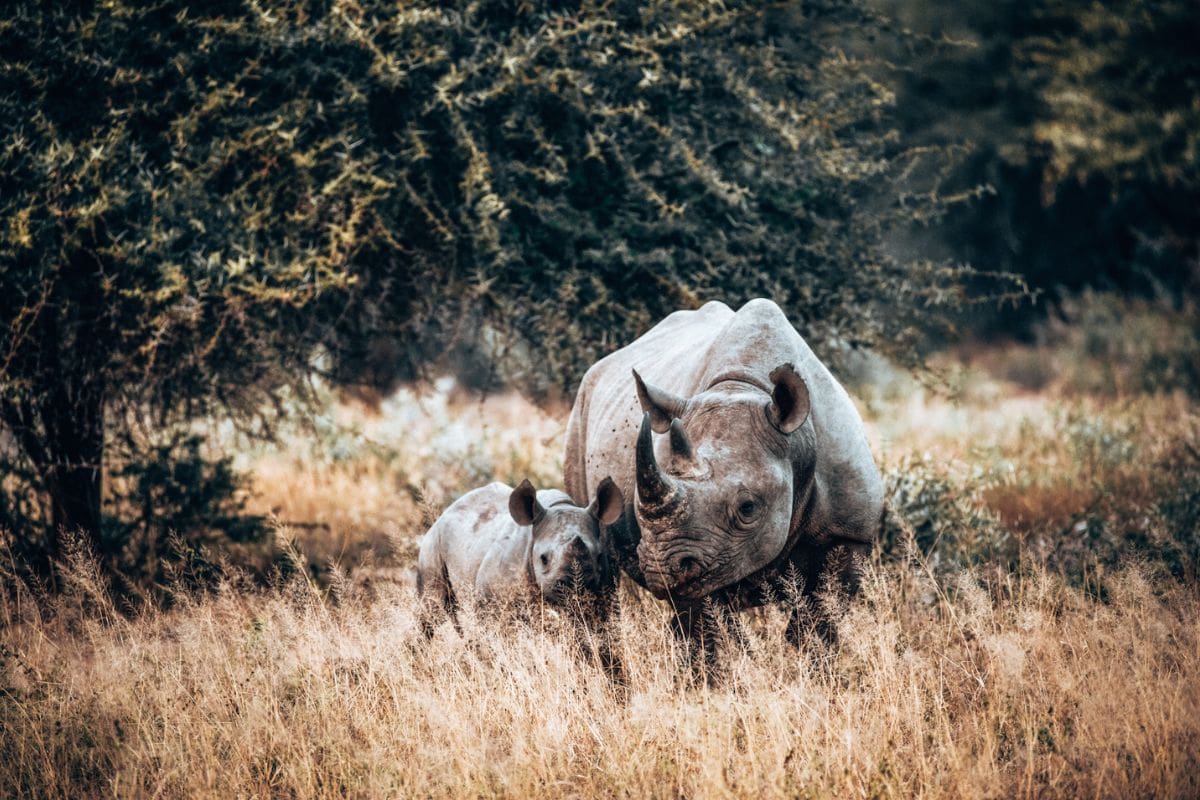
- You get some of the best Big Five sightings in the country
- You can often go off-road for closer sightings
- Experiences feel more exclusive and guided
- Lodges tend to be more intimate and high-end (and the style of lodge you choose can shape the experience just as much as the destination itself!!)
Eastern Cape
The Eastern Cape is a little overlooked but it’s one of my favourite choices.
- Much more consistent safari conditions year-round
- Less extreme seasonal shifts
- Malaria-free (which is a big plus for so many couples)
- Often a great fit for honeymoon itineraries, especially when combined with the Garden Route
👉 If you’re planning a multi-stop honeymoon with Cape Town and the coast, this is often the most seamless option.
Frequently asked questions about South Africa safari honeymoons
If you’re still weighing up the details, these are some of the questions I get asked most often by honeymoon couples:
Is there a bad time to go on safari in South Africa?
No – South Africa is a year-round safari destination, so there isn’t a “worst” time to visit South Africa. Wildlife is always present, but conditions can vary between seasons. However, across the country, you’ll generally always find somewhere that’s good to go on safari in South Africa!
Is the green season good for a safari honeymoon?
Yes, it can be. The green season (November–March) offers lush landscapes, fewer crowds, and excellent wildlife in private reserves. It’s especially good for visiting the Eastern Cape.
How far in advance should you book a safari honeymoon?
Ideally you want to book 9–12 months in advance, especially for peak season or popular lodges. Shoulder and green season offer slightly more flexibility, but early booking is still recommended.
How to choose the right time for your honeymoon
If you’re feeling slightly overwhelmed at this stage, that’s completely normal – there are so many different ways to plan a South Africa honeymoon!
If there’s one key takeaway – it’s that you shouldn’t simply plan your honeymoon around “the best safari month” in isolation.
If you’re flexible on your honeymoon dates, I recommend starting with the kind of experience you want, and then choosing the timing and regions to match. It’s a much easier way to plan a trip that actually feels good from start to finish.
You’ll find that with the right combination of places and timing, you can have an incredible safari honeymoon at almost any time of the year.
If you’re still figuring out what feels right for your honeymoon, you should also check out my full luxury safari honeymoon guide. It brings everything together – from destinations to timings to cost, and makes the whole planning process feel much clearer.
READ MORE ON SOUTH AFRICA:
- Luxury Safari Honeymoon Guide (2026): Destinations, Costs & How to Plan
- Planning a Honeymoon in South Africa: A Step-by-Step Guide
- South Africa vs Tanzania Safari: Which Is Best for a Honeymoon?
- Where to Go on Safari in South Africa: Best Regions for a Honeymoon
- South Africa Private Reserve vs Kruger National Park: Which is Better for a Honeymoon?
- Best Time for a South African Safari Honeymoon (Month-by-Month Guide)
- How Much Does a South Africa Safari Honeymoon Cost in 2026 (Realistic Budget Ranges)
- The Perfect 10 Day South Africa Itinerary for Honeymooners
- 3 Week South Africa Itinerary (+ Map)
- Best Luxury South Africa and Mauritius Honeymoon Itinerary
- 12 Best Luxury Safari Lodges in South Africa for Honeymooners (By Region & Budget)
- Are Safari Honeymoons Ethical?
Save for later!